
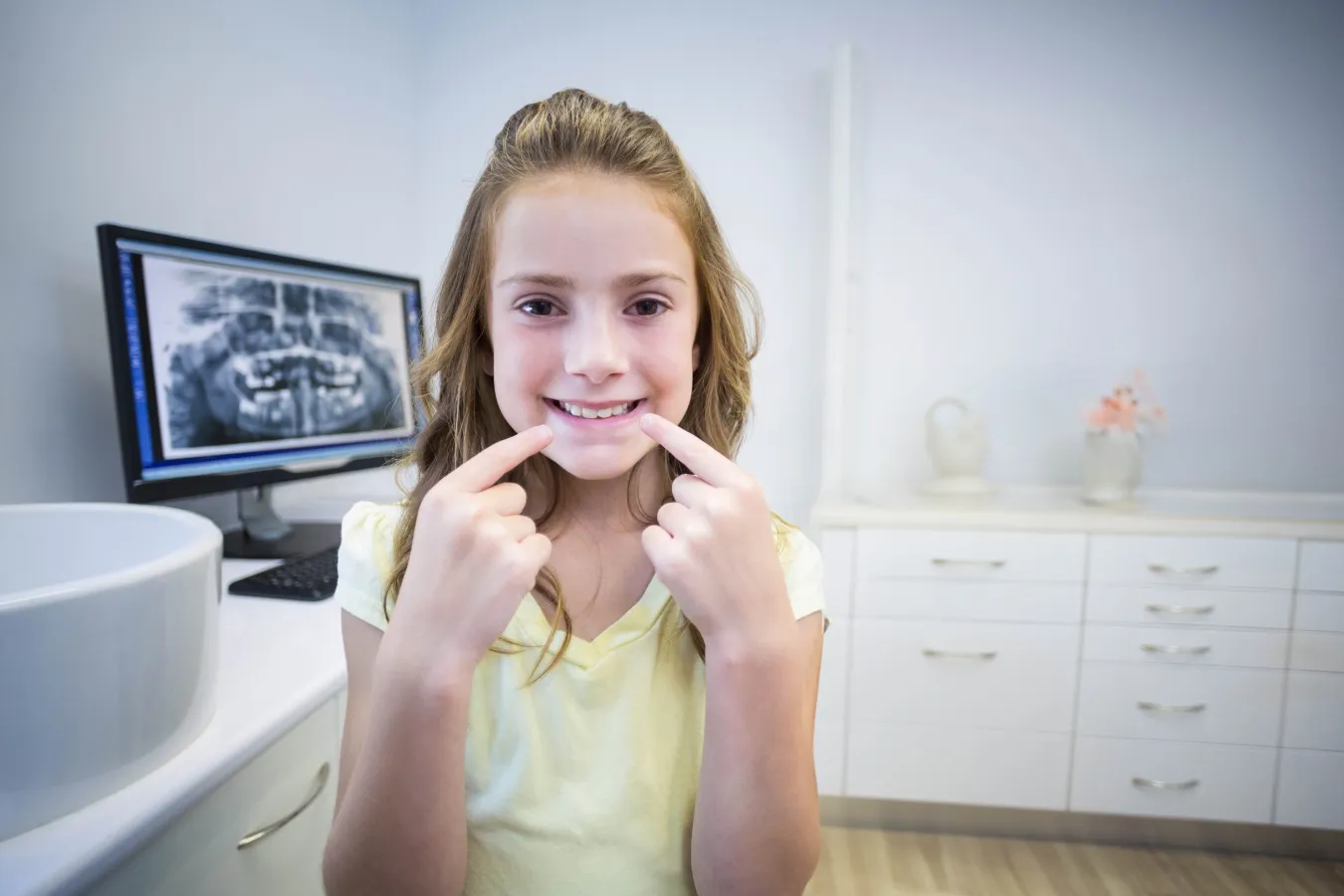
What Are Braces for Kids and Why Do Children Need Them?
Braces for kids are orthodontic devices that use brackets, wires, or specialized appliances to gently guide teeth and jaws into proper alignment. They correct common issues like crowding, spacing problems, and bite irregularities that can affect how your child eats, speaks, and feels about their smile. At Lynwood Orthodontics in Lynnwood, WA, we hear from parents every week who want to know whether their child is ready for braces. You're not alone in asking that question, and the answer often depends on your child's unique dental development and oral health history.
The American Association of Orthodontists recommends that children have their first orthodontic evaluation by age 7. That might sound early, but there's a good reason. By this age, enough permanent teeth have come in for Dr. Cindy Fan to spot potential problems. With board-certified expertise and years of experience treating young patients in the Lynnwood community, Dr. Fan can identify issues like crossbites, overbites, and severe crowding before they become more difficult to treat. Catching these concerns early opens up more options and often leads to better outcomes.
Not every child needs braces at age 7. Many kids begin treatment between ages 9 and 14, once more permanent teeth have erupted. An early evaluation simply gives you information and options. It's about knowing where things stand. When intervention happens at the right time, it can prevent more involved treatment down the road, saving both time and money for your family.
How Do Kids' Braces Work? The Treatment Process Step by Step
Knowing what to expect makes the whole experience easier for both you and your child. Here's how the process typically unfolds at Lynwood Orthodontics:
- Free First Visit
Your child's first visit includes X-rays and digital scans that give Dr. Fan a complete picture of their teeth, jaws, and facial structure. No pressure. You'll leave with a clear understanding of whether treatment is needed now, later, or not at all. - Your Child's Treatment Plan
Based on the evaluation, Dr. Fan creates a plan designed around your child's specific needs and smile goals. This might be Phase 1 treatment for younger children, Phase 2 for teens, or full braces that address everything at once. She'll walk you through the timeline, what to expect, and why she's recommending a particular approach. - Bracket and Wire Placement
The visit where braces go on typically takes 60 to 90 minutes. It's straightforward. Your child will leave with their new braces and instructions for care, and most kids adjust within the first week. - Regular Adjustment Visits
Every 4 to 8 weeks, your child will come in for adjustments. These are usually quick, about 20 to 30 minutes. Dr. Fan tightens wires and makes small changes to keep teeth moving in the right direction. - Braces Removal and Retainers
When treatment wraps up, braces come off and your child receives retainers to maintain their results. This final step protects the investment you've made in their smile. Most kids wear braces for 12 to 24 months, though this varies based on the complexity of their case.
Key Benefits of Starting Braces Early for Your Child
Timing matters in orthodontics. Why do so many orthodontists recommend early evaluation? Because a child's growing body responds to treatment differently than an adult's. Dr. Fan uses these natural growth patterns to shape results that aren't always possible later on.
How Do Braces Guide Jaw Growth in Children?
A child's jaw bones are still malleable, which means orthodontic appliances can shape their growth more easily. This is especially helpful for correcting bite problems like crossbites or underbites. Once the jaw stops growing in the late teen years, these corrections become more complex and sometimes require surgical intervention.
Can Early Orthodontic Treatment Reduce Injury Risk?
Protruding front teeth are more vulnerable to injury during sports and play. Bringing them into alignment protects your child from chips, cracks, and other dental emergencies. For active kids, this benefit alone can be worth the investment.
How Does Early Treatment Create Space for Permanent Teeth?
If baby teeth are crowded, permanent teeth often don't have room to come in properly. Orthodontic appliances can guide spacing so adult teeth erupt where they should, reducing the chance of impaction or the need for extractions later. This kind of early guidance sets the stage for a smoother Phase 2 if one is needed.
Can Braces Improve a Child's Confidence?
Kids notice their smiles. When teeth are straighter, many children feel more comfortable smiling in photos, speaking up in class, and making new friends. Parents tell us that's one of the first changes they notice after treatment begins.
Starting early may also simplify future treatment. Children who complete Phase 1 treatment sometimes need only minor refinements during the teen years, which can mean a shorter time in braces overall.
Types of Braces for Kids: Metal Braces vs. Clear Aligners vs. Two-Phase Treatment
Three main paths are available for kids: traditional metal braces, clear aligners, and two-phase treatment. Dr. Fan will recommend the best approach based on your child's specific diagnosis and smile goals.
| Treatment Type | Best For | Key Features |
|---|---|---|
| Traditional Metal Braces | Complex cases, most children | Durable, effective, handles severe crowding and bite issues |
| Clear Aligners | Mild to moderate issues, older kids | Removable, less visible, requires responsibility |
| Two-Phase Treatment | Young children with jaw or bite concerns | Phase 1 addresses growth, Phase 2 refines alignment |
Traditional Metal Braces
These remain the most common choice for kids. They're durable enough to handle active lifestyles and effective for even complex alignment and bite problems. Modern brackets are smaller and more comfortable than those from years past. They handle the widest range of cases and hold up well with active kids.
Clear Aligners for Kids
Removable and nearly invisible, clear aligners work well for older children with mild to moderate issues. They require discipline since they must be worn 20 to 22 hours daily. Dr. Fan will help determine if your child is a good candidate based on their maturity level and the specifics of their case.
Two-Phase Treatment
This approach divides treatment into two stages. Phase 1 typically happens between ages 7 and 10, focusing on jaw development and creating space. After a resting period, Phase 2 begins in the teen years to fine-tune tooth alignment. Not every child needs both phases, but for those who do, it can make a real difference in the final result.
Appliances like palatal expanders or myofunctional devices may complement braces when specific issues call for them.
How Much Do Kids' Braces Cost?
Kids' braces typically cost between $3,000 and $7,000, depending on the complexity of treatment and the type of braces selected. Phase 1 treatment alone generally costs less than full braces. Several factors influence the final number, including how long treatment lasts, what appliances are needed, and whether your child requires one phase or two.
Insurance and Affordable Care Plans
Most dental insurance plans include orthodontic benefits for children under 18, which can offset a significant portion of the total cost. It's worth calling your insurance provider before your first visit to understand what your plan covers. Many orthodontic offices also offer affordable, flexible care plans that spread the cost over the length of treatment, making monthly payments more manageable for families. Some offices provide 0% interest financing as well. At Lynwood Orthodontics, our team works with you to find a plan that fits your budget.
To get an accurate cost estimate for your child, scheduling a free consult is the most direct route. You'll receive a specific treatment plan and cost breakdown based on your child's needs.
Signs Your Child May Need Braces: Is Your Kid a Candidate?
Sometimes orthodontic issues are obvious. Other times, they're subtle. Here are signs that suggest your child should be evaluated:
- Early or late loss of baby teeth. Teeth falling out too soon or hanging on too long can disrupt how permanent teeth come in. If your child lost baby teeth before age 5 or still has them at 13, it's worth a look.
- Persistent oral habits. Thumb sucking, mouth breathing, or tongue thrusting can affect jaw development and tooth position over time. If these habits continue past age 6 or 7, they may be reshaping the mouth.
- Crowded or crooked teeth. If teeth overlap, twist, or don't have enough room, braces can create proper spacing and alignment.
- Difficulty chewing or biting. Does your child frequently bite their cheek, struggle to chew food properly, or complain of jaw clicking? These may point to bite problems that benefit from orthodontic treatment.
- Visible bite issues. An overbite (upper teeth protrude over lower), underbite (lower teeth in front of upper), crossbite (teeth don't align when mouth closes), or open bite (front teeth don't touch) all respond well to orthodontic treatment.
If you notice any of these signs, scheduling a free consult gives you answers. Even if treatment isn't needed right away, you'll know what to watch for as your child grows.
Frequently Asked Questions About Kids' Braces
What is the best age to get braces for kids?
The American Association of Orthodontists recommends an initial evaluation by age 7. That said, most children begin active treatment between ages 9 and 14. Dr. Fan will determine the ideal timing based on your child's dental development, the specific issues present, and whether early intervention would provide a meaningful advantage.
Do braces hurt for children?
Most children experience only mild soreness for a few days after braces are placed and following adjustment visits. This discomfort is temporary and manageable with over-the-counter relief like children's ibuprofen. Kids typically adapt fast, and by the second or third adjustment, most children barely notice any soreness. Our team at Lynwood Orthodontics walks every family through what to expect so there are no surprises.
How long do kids wear braces?
It depends on the complexity of your child's case. Most children wear braces for 12 to 24 months. During your free consult, Dr. Fan will provide a more specific timeline based on what she sees in the X-rays and scans.
Can my child play sports with braces?
Absolutely. Kids can stay active in sports while wearing braces. An orthodontic mouthguard protects both the braces and your child's mouth during contact activities, and our team can recommend options that fit comfortably over brackets. Many of our young patients in Lynnwood play soccer, basketball, and baseball without missing a beat.
What foods should kids avoid with braces?
Hard, sticky, and chewy foods can damage brackets and wires. This includes caramel, taffy, popcorn, hard candies, and ice. Our team provides a full list of foods to avoid along with plenty of braces-friendly alternatives your child will actually enjoy. The list is shorter than most parents expect.
Does my child need to see a dentist while wearing braces?
Yes, regular dental cleanings and checkups remain important during orthodontic treatment. Braces create extra spots where food and plaque can collect, so routine dental care becomes even more valuable. Your child should continue seeing their dentist every six months to maintain healthy teeth and gums throughout the process. Board-certified orthodontist Dr. Cindy Fan and her team at Lynwood Orthodontics coordinate with your child's dentist to make sure nothing falls through the cracks. If you have questions about whether braces are right for your child, a free consult is a great place to start. Dr. Fan and our team are happy to walk you through what we see, what it means, and what the options look like so you can make the best decision for your family.