
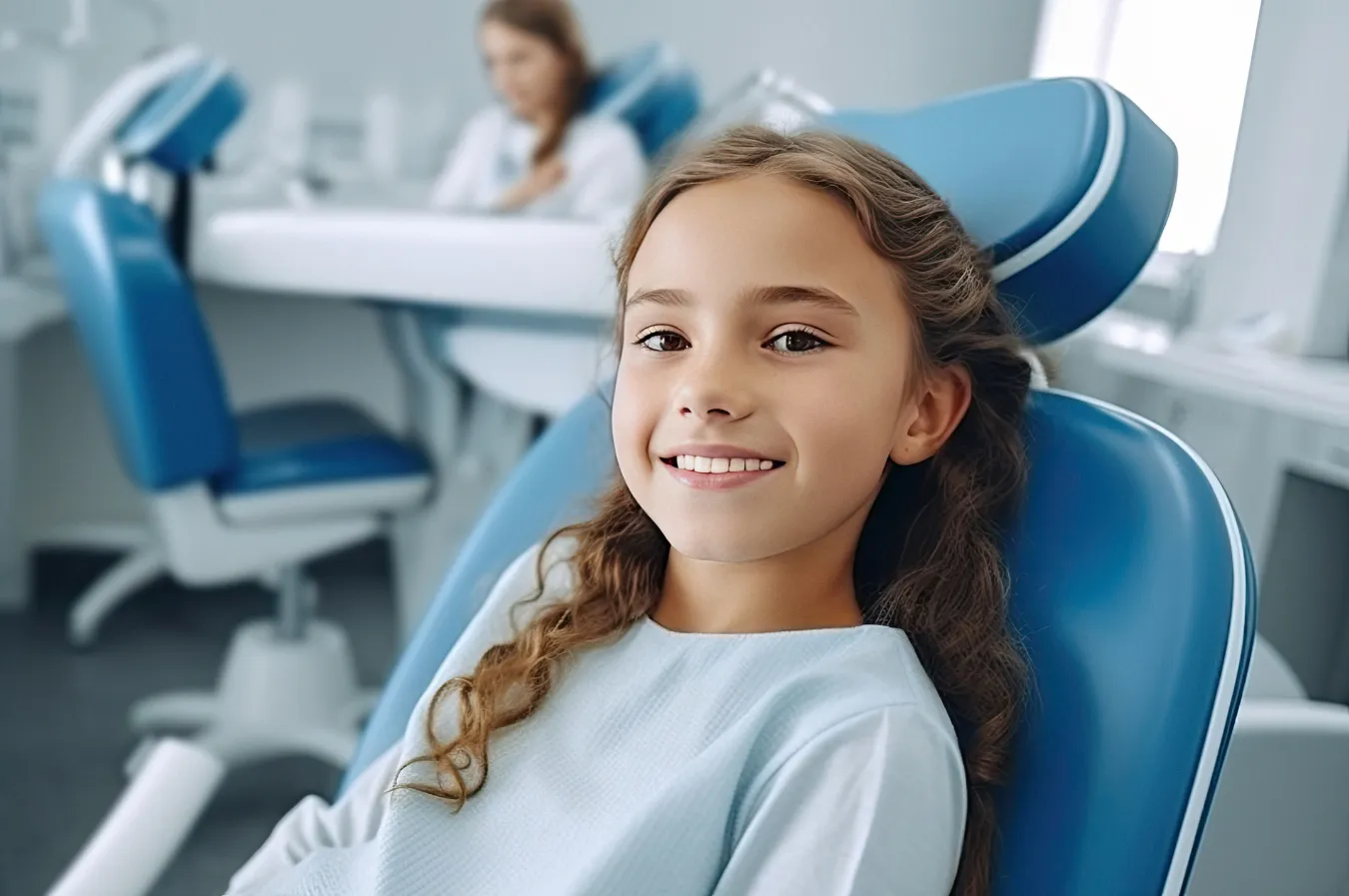
Orthodontic care isn’t just about straight teeth—it’s about building a healthy, functional smile that lasts a lifetime. For many children, braces play a critical role in early dental development, correcting bite issues, guiding jaw growth, and creating space for permanent teeth to come in properly.
While the idea of braces can feel daunting at first, early orthodontic intervention can lead to simpler, shorter treatments and better outcomes as your child grows. In this guide, we’ll cover the basics of braces for kids, when to consider treatment, and how to make the experience a smooth one for both children and parents.
When Should Kids See an Orthodontist?
The American Association of Orthodontists recommends that children have their first orthodontic evaluation by age 7. At this age, most children have a mix of baby teeth and permanent teeth, allowing orthodontists to spot potential problems early—even if no treatment is needed yet.
Early evaluation helps identify issues such as:
- Crossbites or underbites
- Overcrowding
- Excessive spacing
- Protruding teeth
- Jaw growth irregularities
- Harmful oral habits (like thumb-sucking or tongue thrusting)
Some children may benefit from early orthodontic treatment (also called Phase I treatment) to correct these issues and guide jaw development, while others may simply be monitored until the ideal time for braces.
Signs Your Child Might Need Braces
As a parent, it’s helpful to know what signs may indicate that your child could benefit from orthodontic treatment. Common signs include:
- Early or late loss of baby teeth
- Difficulty chewing or biting
- Mouth breathing
- Jaw shifting or clicking
- Speech difficulties
- Crowded or overlapping teeth
- Teeth that don’t come together properly
- Frequent thumb-sucking past age 5
Even if your child’s teeth appear straight, underlying bite problems could still be present. A consultation is the best way to determine whether braces are needed and when to begin.
Benefits of Braces for Kids
Braces do more than improve the appearance of a child’s smile—they support healthy oral development and long-term function. Benefits of braces for children include:
- Improved alignment — Corrects crowded, crooked, or gapped teeth for a more functional bite
- Better jaw development — Guides growth during important developmental stages
- Speech improvement — Addresses tongue placement and bite issues that may affect speech
- Easier oral hygiene — Straight teeth are easier to brush and floss effectively
- Boosted self-esteem — A straighter smile can help kids feel more confident
- Fewer future complications — Early correction may prevent more serious problems later on
For many children, braces set the foundation for a lifetime of better oral health.
Types of Braces for Children
Today’s orthodontic treatments are more comfortable and customizable than ever. Children have several options when it comes to braces, depending on their specific needs.
Traditional Metal Braces
These are the most common option and highly effective for all types of alignment issues. Many kids enjoy customizing their braces with colored rubber bands at each appointment.
Ceramic Braces
Made from clear or tooth-colored materials, ceramic braces are less visible than metal braces. They may be more suitable for older kids who are responsible with oral hygiene.
Clear Aligners for Kids
Some children may qualify for clear aligners, depending on their age and dental development. These removable trays are more subtle but require excellent compliance and maturity.
Expanders and Space Maintainers
In some cases, orthodontists may recommend early appliances to widen the jaw, guide growth, or hold space for incoming permanent teeth.
The best treatment plan depends on your child’s age, bite alignment, and how their jaw and teeth are developing.
What to Expect During Treatment
Starting braces can feel like a big step for both kids and parents, but knowing what to expect makes the process easier.
Here’s a general timeline:
- Initial consultation — Your child’s orthodontist will assess their bite, take X-rays or digital scans, and explain treatment options.
- Placement of braces — This visit takes 1–2 hours. Your child may feel some tightness or soreness in the first few days.
- Adjustment appointments — Every 4–8 weeks, the orthodontist will make small changes to the wires or bands to keep progress on track.
- Oral care and guidance — You’ll receive instructions on brushing, flossing, and foods to avoid while wearing braces.
- Completion and retention — Once treatment ends, a retainer is prescribed to keep the teeth in their new positions.
Treatment typically lasts 18–24 months, though this varies based on your child’s specific needs.
Helping Your Child Adjust to Braces
Kids adapt quickly to braces, but a little support goes a long way. Parents can help ease the transition with these tips:
- Provide soft foods — After braces are first applied or adjusted, soft foods like yogurt, pasta, and smoothies can reduce discomfort
- Use orthodontic wax — Apply wax to brackets that irritate the inside of the mouth
- Keep a braces kit on hand — Include a toothbrush, flossers, wax, and pain relief in a small pouch for school or travel
- Encourage good hygiene — Help your child establish routines for brushing and flossing around brackets and wires
- Celebrate milestones — Recognizing progress keeps kids motivated during treatment
With patience and positivity, braces can become a normal part of daily life.
Common Questions About Braces for Kids
Are braces painful?
Braces may cause temporary soreness, especially after adjustments, but discomfort is usually mild and manageable.
How long does treatment take?
Treatment usually lasts 1.5 to 2 years, but varies based on the child’s specific case.
Will my child need a retainer afterward?
Yes. Retainers help maintain results and prevent teeth from shifting after braces are removed.
Are there foods to avoid?
Sticky, hard, and chewy foods can damage braces and should be avoided. Examples include gum, popcorn, and caramel.
What if a bracket breaks?
If a bracket comes loose, contact your orthodontist for instructions or a repair appointment.
A Confident Smile Starts with the Right Support
Starting orthodontic treatment is a big step in your child’s journey to better oral health. With early evaluation, personalized planning, and supportive care, braces can transform not just your child’s smile—but also their confidence and overall well-being.