
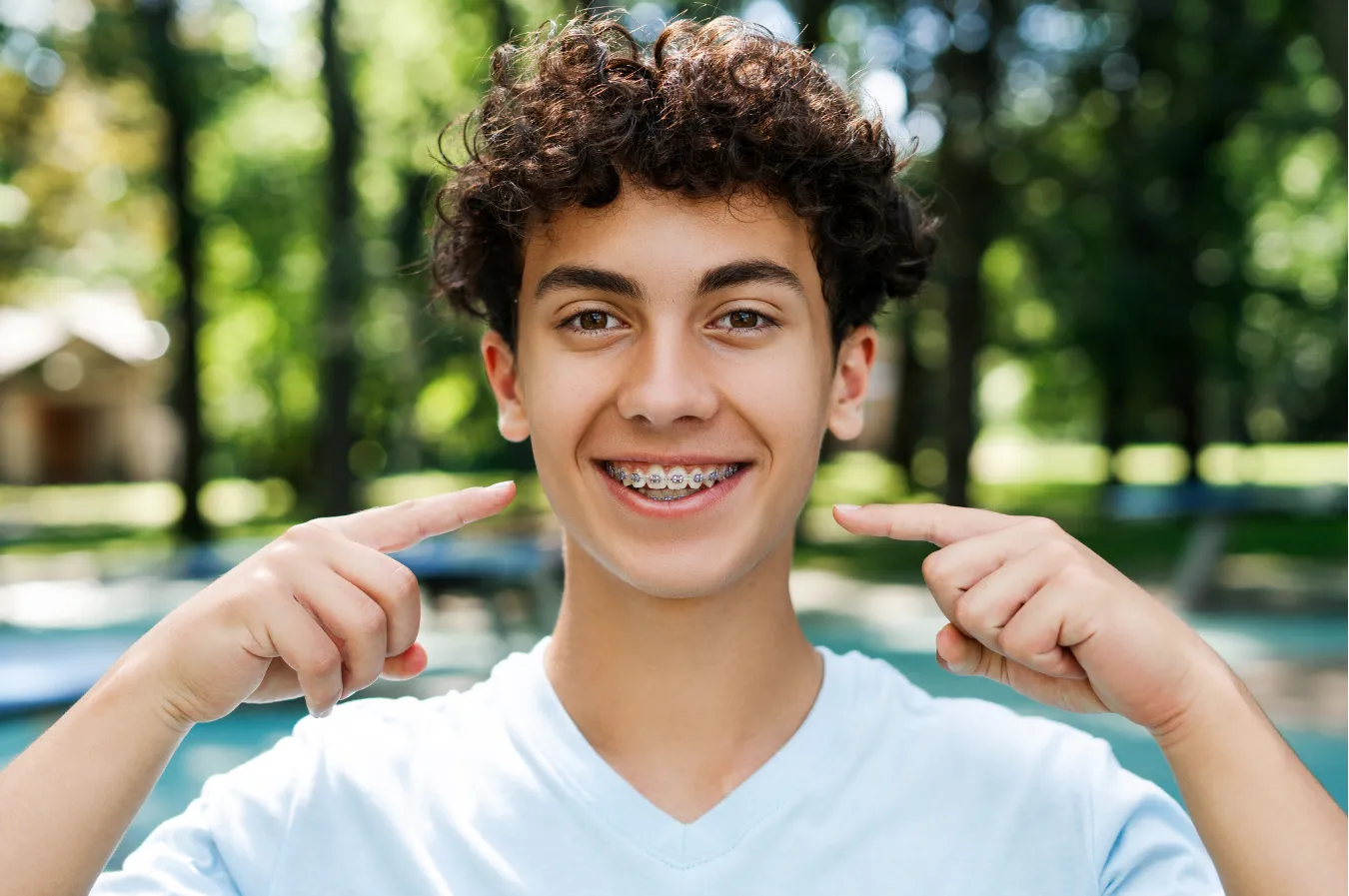
What Are Modern Braces for Teens, and Why Are They So Different Now?
Modern braces for teens are smaller, more comfortable, and far more efficient than the bulky brackets many parents remember from their own teenage years. The three main options include traditional metal braces, ceramic braces, and clear aligners, each using gentle, consistent pressure to shift teeth into proper alignment. Today's designs look and feel nothing like what orthodontics used to be.
If you're a parent in Lynnwood, WA researching orthodontic care for your teen, you've probably noticed how much has changed. The metal braces of the past often felt clunky and looked even clunkier. Now? Brackets are low-profile. Wires are heat-activated for smoother movement. And clear aligners have made orthodontic treatment nearly invisible for many cases.
What makes teen orthodontics unique is how personal it gets. Dr. Cindy Fan, a board-certified orthodontist at Lynwood Orthodontics, evaluates each teen's dental development, bite pattern, and lifestyle before recommending a treatment path. A student-athlete might benefit from a different approach than a teen in drama club or one who plays a wind instrument. The goal is always the same: a healthy, confident smile that fits their life and supports what they want for their smile.
How Teen Braces Work: From First Consult to Final Smile
Teen braces treatment follows five key steps: a free consult with digital imaging, a plan built around your teen, braces placement or aligner fitting (typically 60 to 90 minutes), adjustment visits every 4 to 8 weeks, and a retainer phase. Most treatments take one to two years. Here's a quick overview before we walk through each step:
- Free consult with digital imaging
- Treatment planning tailored to your teen
- Braces placement or aligner fitting
- Regular adjustment visits (every 4–8 weeks)
- Retainer phase to maintain results
Understanding each step can ease a lot of anxiety for both parents and teens.
Step 1: Free Consult
Your teen's first visit includes digital imaging and a thorough assessment of their teeth, jaw, and bite. Dr. Fan takes time to explain what she sees and answer questions. No pressure, no rush.
Step 2: A Plan Built Around Your Teen
Based on the evaluation, Dr. Fan creates a plan that accounts for your teen's specific alignment issues, growth stage, and preferences. You'll know the timeline, the type of braces recommended, and the expected results before anything begins. Bring your questions. Dr. Fan is happy to walk through the details.
Step 3: Braces Placement or Aligner Fitting
Getting braces placed typically takes 60 to 90 minutes. It's comfortable, though your teen may feel some pressure. For clear aligners, the fitting visit is even quicker. Your teen leaves with their first set of trays and clear instructions.
Step 4: Regular Adjustment Visits
Every 4 to 8 weeks, your teen comes in for adjustments. These visits are usually quick. Dr. Fan checks progress, makes any necessary changes, and keeps treatment on track. Most families find these visits easy to work into a school-day schedule.
Step 5: Retainer Phase
Once active treatment ends, retainers maintain the results. This phase is just as important as the braces themselves. Skipping retainer wear can undo months of progress, so we make sure your teen understands why consistency matters here.
Some simpler cases wrap up faster than the typical one-to-two-year range. More involved corrections may take a bit longer. Dr. Fan will give you a realistic timeline during the consult so there are no surprises.
Benefits of Orthodontic Treatment During the Teenage Years
The teen years are one of the best windows for orthodontic treatment because the jaw is still growing, teeth move faster, and early correction can prevent more involved problems later. Here's why families often choose to start during this stage.
Jaw Growth Works in Your Teen's Favor
A teenager's jaw is still developing, which means teeth often move faster and more predictably than they would in adulthood. Treatment can take advantage of these natural growth patterns, sometimes shortening the overall timeline.
Can Early Treatment Prevent Bigger Problems Later?
Addressing bite issues now can prevent more complex and costly treatment down the road. Untreated misalignment can lead to uneven wear, jaw discomfort, and even TMJ problems over time. Getting ahead of these issues while your teen is still growing gives Dr. Fan more flexibility in how she approaches the case.
Straight Teeth Make Daily Oral Hygiene Easier
Crowded or overlapping teeth are harder to brush and floss properly. Straightening your teen's teeth makes daily care simpler, lowering the risk of cavities and gum disease.
What About Confidence During the Teen Years?
Let's be honest: the teen years can be tough. A smile your teen feels good about can make a real difference in how they carry themselves socially and academically. Many families tell us that the confidence boost is one of the most meaningful outcomes of treatment.
Today's Options Actually Fit a Teen's Lifestyle
Clear aligners let teens remove their trays for photos, special events, or playing instruments. Ceramic braces blend in more naturally. Today's orthodontics doesn't have to interrupt their life, and that matters when your teen is juggling school, activities, and everything else.
Comparing Teen Braces Options: Metal Braces vs. Clear Aligners vs. Ceramic Braces
Choosing between braces types can feel overwhelming. Here's how they compare:
| Feature | Metal Braces | Ceramic Braces | Clear Aligners |
|---|---|---|---|
| Visibility | Most noticeable | Tooth-colored, subtle | Nearly invisible |
| Comfort | Low-profile brackets; some adjustment period | Similar to metal; slightly larger brackets | Smooth plastic; no wires |
| Best For | Complex cases, significant corrections | Moderate cases; teens wanting discretion | Mild-to-moderate cases; responsible teens |
| Compliance Needed | Always on; no compliance required | Always on; no compliance required | Must wear 20-22 hours daily |
| Durability | Highly durable | Brackets may stain without care | Trays can crack if mishandled |
| Food Restrictions | Yes (avoid hard, sticky foods) | Yes (same as metal) | None (remove to eat) |
Which Type Works Best for Complex Cases?
For complex corrections, metal braces remain the most reliable choice. Today's brackets are smaller and sleeker than ever, and they work around the clock without requiring your teen to remember anything.
What If My Teen Wants Something Less Visible?
Want something less visible but still always working? Ceramic braces offer the same mechanics as metal but with tooth-colored brackets. They're a solid middle ground for teens who want discretion without the responsibility of removable trays.
Are Clear Aligners a Good Fit for Teens?
For teens with mild-to-moderate alignment issues, clear aligners are removable, nearly invisible, and free of dietary restrictions. The catch? They only work if your teen wears them consistently, at least 20 to 22 hours daily. For responsible, motivated teens, aligners can be a great fit.
Dr. Fan discusses all three options during the consult at Lynwood Orthodontics and helps you figure out which makes the most sense for your teen's specific smile goals and case.
Cost of Braces for Teens: What to Expect
Teen braces typically range from $3,000 to $7,000, depending on the type of braces and the complexity of treatment. Clear aligners may fall on the higher end for some cases, while traditional metal braces are often the most budget-friendly option.
Several factors influence the final cost:
- Type of braces: Metal is generally least expensive; ceramic and aligners may cost more
- Treatment length: Longer treatments require more visits and materials
- Case complexity: Severe crowding or bite issues take more time to correct
Insurance Coverage
Insurance coverage can help significantly. Most dental plans that include orthodontic benefits cover a portion of treatment for minors. Our team helps verify your coverage and get the most from your benefits, so you know what to expect before starting.
Flexible Payment Options
Flexible payment options make treatment workable for families at different budget levels. Lynwood Orthodontics in Lynnwood, WA offers affordable, flexible care plans with low monthly payment options. A payment calculator is available to help you estimate costs before you commit.
The best way to get an accurate estimate? Schedule a free consult. Dr. Fan will assess your teen's needs and provide a clear breakdown of costs and payment options with no surprises.
Signs Your Teen May Need Braces
Common signs a teen may need braces include crowded teeth, bite problems, jaw discomfort, and mouth breathing, especially once most permanent teeth have erupted between ages 11 and 14. Here are the specific indicators to watch for:
- Crowded, overlapping, or crooked teeth. When teeth don't have enough room, they shift into awkward positions that are harder to keep clean. You might notice your teen struggling to floss certain areas.
- Overbite, underbite, crossbite, or open bite. These affect how teeth come together and can cause uneven wear over time.
- Difficulty chewing or jaw discomfort. Misalignment can make eating uncomfortable and put strain on the jaw joint, sometimes leading to headaches.
- Mouth breathing or speech issues.
- Most permanent teeth have erupted (typically between ages 11 and 14, making it an ideal window for evaluation).
According to the American Association of Orthodontists, children should have an orthodontic evaluation by age 7. That said, many teens don't start treatment until their early teenage years when most permanent teeth are in place.
If you've noticed any of these signs, it's worth scheduling a consult. Early evaluation doesn't always mean early treatment. Sometimes Dr. Fan at Lynwood Orthodontics will recommend monitoring growth before starting active care. That kind of patience often leads to better results and a smoother treatment experience overall.
Teen Braces FAQs: Answers for Parents and Teens
How long do teens typically wear braces?
Most teens wear braces for one to two years. The exact timeline depends on the severity of alignment issues and how well your teen follows care instructions. Simpler cases may finish in under a year, while more complex corrections can extend beyond two years.
Can my teen play sports with braces?
Yes, absolutely. We recommend a protective mouthguard designed for braces to prevent injuries to lips, cheeks, and brackets. Mouthguards are especially important for contact sports like basketball, soccer, and football.
Are clear aligners effective for teens?
For mild-to-moderate alignment issues, they work very well. Aligners are removable, nearly invisible, and don't require dietary restrictions. The key is compliance: your teen must wear them 20 to 22 hours daily. Motivated teens who stay consistent tend to see excellent results.
What foods should my teen avoid with braces?
Hard, sticky, and chewy foods can damage brackets and wires. That means skipping things like popcorn, hard candy, caramel, gum, and ice. Crunchy foods like apples and carrots should be cut into small pieces. With clear aligners, there are no food restrictions since trays come out for eating.
Does my teen need a referral to see an orthodontist?
No referral is needed. Many families come to us after their general dentist mentions alignment concerns, but you're welcome to reach out on your own anytime. You can schedule a free consult directly, and Dr. Fan will walk you through everything from there.
Every teen deserves a smile they feel confident about. Dr. Cindy Fan and the team at Lynwood Orthodontics work with families in Lynnwood, WA to find the right approach for each individual teen, whether that's traditional braces, ceramic braces, or clear aligners. The focus is always on care built around your teen's life, their goals, and what will give them something to smile about!