
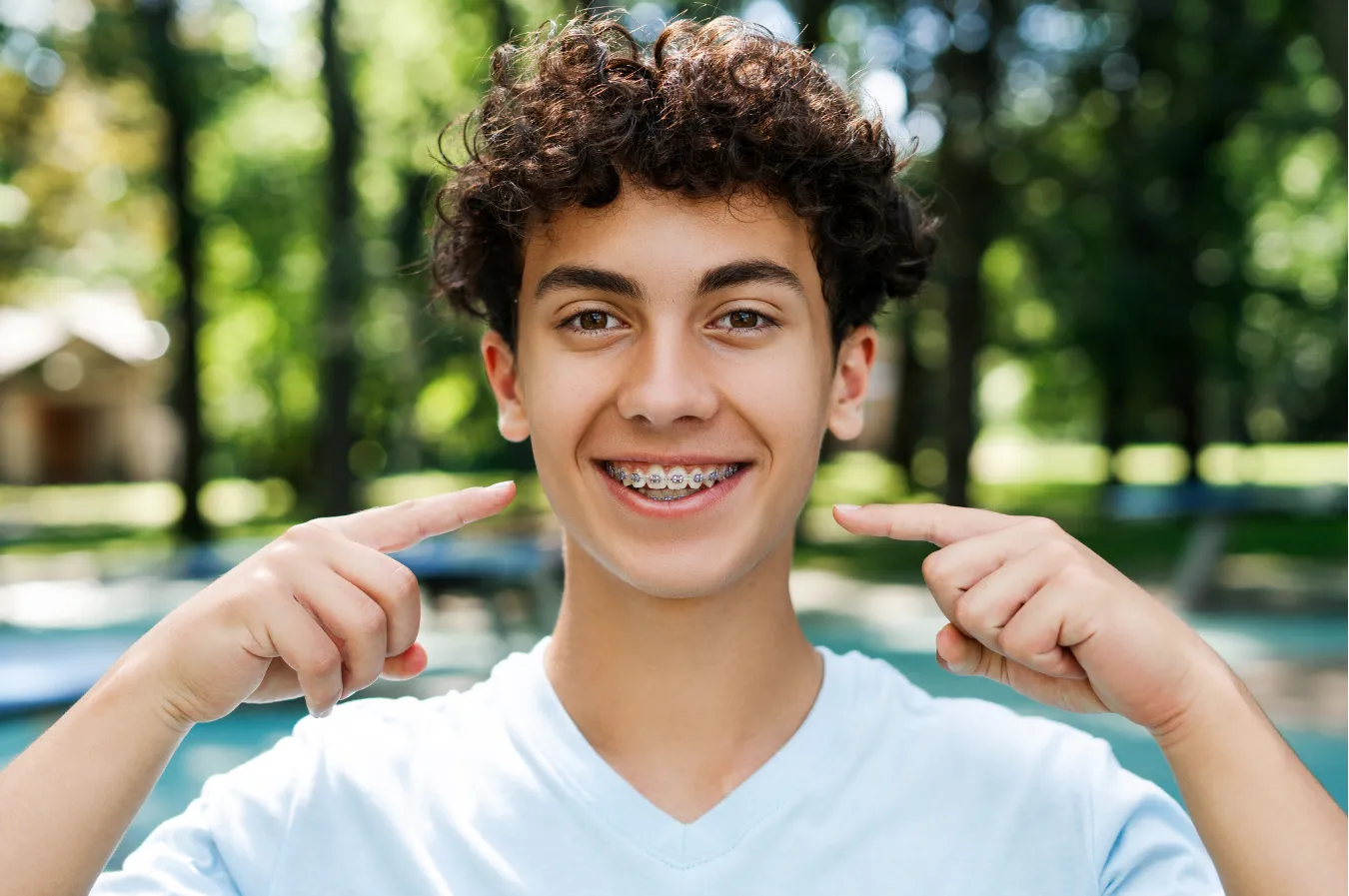
For many teens, getting braces is a common part of growing up—and an important step toward a healthier, more confident smile. But between school, social events, sports, and everything in between, teens often want to know what to expect and whether braces will fit into their busy lifestyles.
Fortunately, modern orthodontics offers a range of treatment options tailored to teens, with solutions that are more comfortable, effective, and discreet than ever before. Understanding the choices available and what to expect during treatment can make the process smoother for both teens and their families.
Why Teens Need Braces
Braces aren’t just about straightening teeth—they play a key role in improving oral health, jaw alignment, and overall bite function. By the teenage years, most children have lost their baby teeth and their permanent teeth are fully in place, making this an ideal time for orthodontic treatment.
Common reasons a teen may need braces include:
- Crooked or crowded teeth
- Overbite or underbite
- Crossbite or open bite
- Gaps between teeth
- Misaligned jaw or bite function
- Difficulty chewing or speaking clearly
Correcting these issues during adolescence can help prevent more serious dental problems later on and boost long-term self-confidence.
Types of Braces for Teens
Today’s orthodontic treatments offer more flexibility than ever. Teens can choose from several types of braces depending on their dental needs, preferences, and lifestyle.
Metal Braces
Metal braces remain the most common option. They use high-grade stainless steel brackets and wires to move teeth into place. Teens often enjoy customizing their braces with colorful elastics at each appointment, adding a fun personal touch.
Pros — Durable, effective for all types of cases, usually the most affordable
Considerations — More visible than other options
Ceramic Braces
Ceramic braces function the same way as metal ones but use clear or tooth-colored brackets for a more discreet appearance. They’re a popular choice for teens who want something less noticeable.
Pros — Less visible than metal braces, strong and reliable
Considerations — Slightly more fragile, may cost more
Clear Aligners
Clear aligners are a series of removable, nearly invisible trays that gradually move the teeth. Teens wear them for 20–22 hours a day and switch to a new set every 1–2 weeks.
Pros — Nearly invisible, removable for eating and brushing, fewer food restrictions
Considerations — Require responsibility and compliance, not suitable for all cases
Lingual Braces
These braces are placed on the back (lingual side) of the teeth, making them invisible from the front.
Pros — Hidden from view
Considerations — May affect speech at first, harder to clean, typically more expensive
Each option comes with benefits and trade-offs. An orthodontist will help determine the best choice based on your teen’s unique smile and goals.
What to Expect During Treatment
Knowing what to expect during braces treatment can help teens feel more prepared and confident as they begin their orthodontic journey.
Initial Consultation
The process begins with an orthodontic evaluation that includes digital scans or X-rays, a review of dental development, and a personalized treatment plan.
Placement Appointment
Once a treatment plan is confirmed, braces or aligners are placed. The first few days may involve some soreness or pressure as the teeth adjust.
Regular Adjustments
Teens will need to visit the orthodontist every 4–8 weeks for adjustments. These visits help ensure the treatment is progressing as planned and may include tightening wires or replacing aligners.
Treatment Timeline
Most teens wear braces or aligners for 18–24 months, though some may need more or less time depending on their case.
Retainers After Braces
Once treatment is complete, a retainer helps maintain the results. Retainers may be removable or fixed and are usually worn nightly.
Lifestyle Considerations with Teen Braces
Braces don’t have to interfere with daily life—but there are some adjustments teens should be prepared for.
Food Restrictions
With metal or ceramic braces, it’s important to avoid foods that can damage brackets or wires. These include:
- Sticky candies — like caramel or gum
- Crunchy snacks — like popcorn or hard chips
- Chewy foods — like bagels or tough meats
Clear aligners don’t have these restrictions since they’re removed for eating—but aligners still need to be cleaned and stored properly afterward.
Oral Hygiene
Brushing and flossing become even more important during orthodontic treatment. Teens should brush after meals, use flossers or threaders, and rinse with mouthwash to prevent plaque buildup.
Sports & Activities
Teens who play contact sports should wear a mouthguard to protect their braces and teeth. Those with aligners should store trays safely during practices and games.
Helping Teens Succeed with Braces
A positive attitude and some helpful routines can make a big difference in your teen’s experience with braces.
Tips for success:
- Create a routine — Set reminders for brushing, flossing, and aligner wear
- Stock soft foods — Especially helpful after adjustment appointments
- Keep supplies handy — Orthodontic wax, travel toothbrushes, and aligner cases are useful on the go
- Celebrate milestones — Acknowledge progress to keep motivation high
- Stay on schedule — Attend all adjustment appointments and follow instructions
With support from family and clear expectations, teens can navigate orthodontic treatment with confidence.
Long-Term Benefits of Teen Braces
While braces may seem like a short-term inconvenience, the long-term benefits are well worth it. Straight teeth are easier to clean, reducing the risk of cavities and gum disease. A properly aligned bite can also improve jaw comfort and prevent wear and tear on teeth over time.
Perhaps most importantly, orthodontic treatment during the teen years helps lay the foundation for a lifetime of confidence—both in how a teen smiles and how they feel about themselves.
A Confident Smile Starts Here
Understanding the options and expectations around braces helps teens take charge of their orthodontic journey. Whether choosing traditional braces, clear aligners, or something in between, the right solution can fit into any teen’s life—and pave the way for a healthy, confident future.