
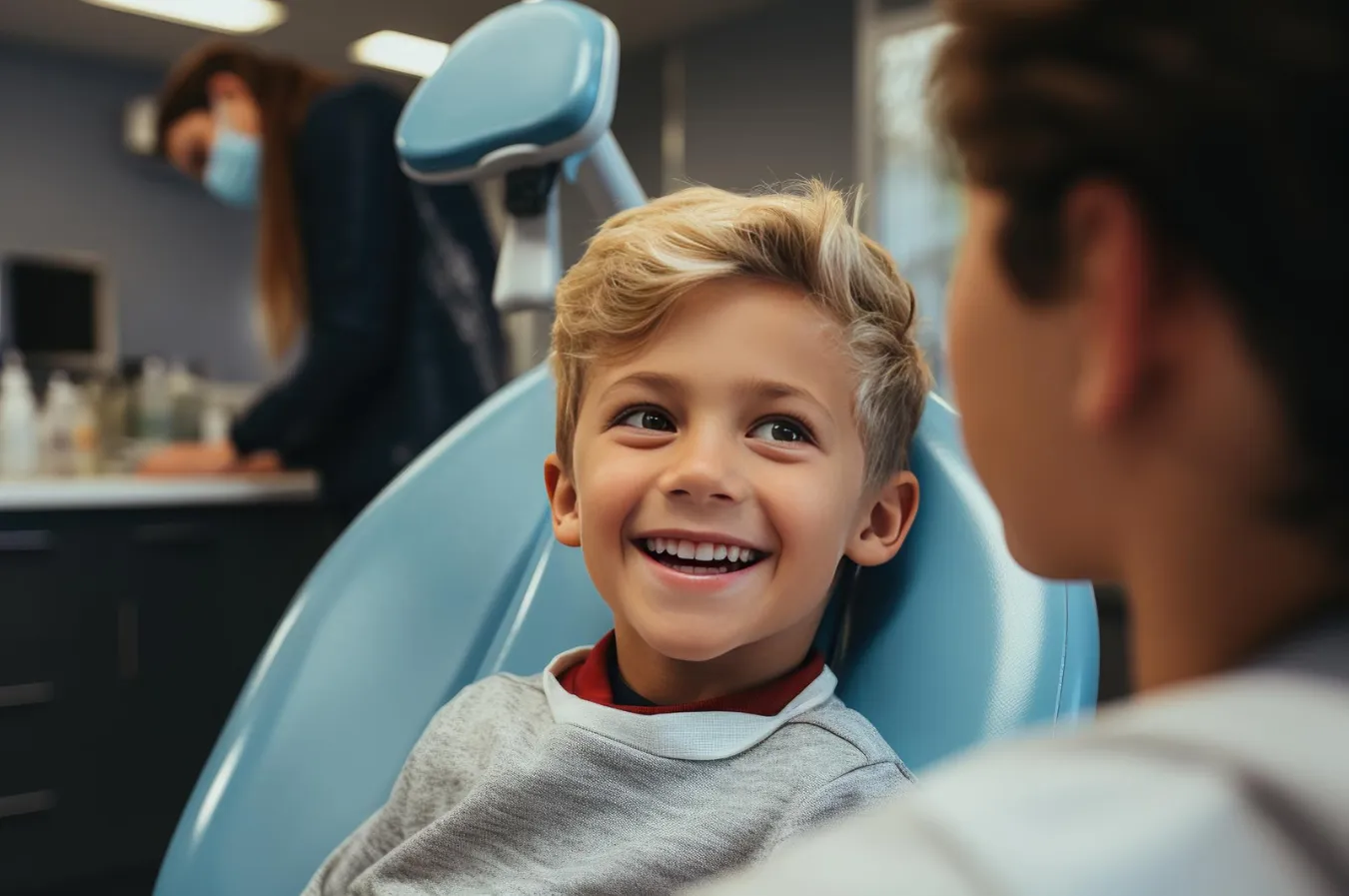
Orthodontic treatment isn’t just for teens. In fact, some of the most impactful orthodontic results begin long before all adult teeth come in. That’s where early orthodontic care—also known as Phase I or interceptive treatment—comes into play.
While not every child will need early treatment, evaluating their smile at a young age allows orthodontists to identify problems that may affect jaw development, bite alignment, or future dental health. Addressing these concerns early can prevent more complex treatment down the road and ensure your child’s smile is developing as it should.
In this article, we’ll explore what early orthodontic care is, when it’s recommended, and why it matters for your child’s long-term oral health.
What Is Early Orthodontic Care?
Early orthodontic care refers to orthodontic treatment that begins before all the permanent teeth have erupted—typically between the ages of 6 and 10. This proactive approach is designed to guide jaw growth, correct harmful habits, and create enough space for incoming permanent teeth.
The American Association of Orthodontists recommends that children have their first orthodontic evaluation by age 7. This doesn't necessarily mean your child will need braces right away, but it gives the orthodontist a chance to monitor growth patterns and intervene at the optimal time if necessary.
Signs a Child May Need Early Orthodontic Treatment
Some orthodontic issues are easy to spot, while others may only be detected through a professional evaluation. Here are some common signs that may indicate your child could benefit from early care:
- Early or late loss of baby teeth
- Difficulty chewing or biting food
- Crowded, crooked, or gapped teeth
- Jaws that shift, click, or pop
- Crossbites, underbites, or overbites
- Thumb-sucking or prolonged pacifier use
- Mouth breathing or speech challenges
Even if none of these signs are obvious, a quick evaluation can help determine whether your child’s dental development is on track.
Benefits of Early Orthodontic Treatment
Early orthodontic care can offer a number of long-term advantages—both for your child’s health and for future treatment outcomes.
- Guides proper jaw growth — Ensures the upper and lower jaws grow in harmony to support facial structure and bite function
- Reduces crowding — Creates room for permanent teeth to erupt properly and reduces the need for extractions later
- Improves bite alignment — Corrects crossbites, underbites, and overbites before they become more severe
- Breaks harmful habits — Helps eliminate thumb-sucking or tongue-thrusting habits that affect jaw development
- Improves speech and breathing — Can enhance airway function and correct speech patterns
- Boosts self-confidence — A straighter smile early in life can have a positive impact on a child’s confidence and social development
By addressing the root of the issue early, interceptive treatment can set the stage for a smoother, shorter, and often more affordable Phase II treatment later on—if it’s needed at all.
Common Early Treatment Options
Not all early treatment involves braces. Depending on your child’s needs, the orthodontist may recommend one or more of the following:
- Palatal expanders — Used to widen the upper jaw and correct crossbites or make space for permanent teeth
- Partial braces — Applied to front teeth to correct alignment or spacing concerns
- Space maintainers — Prevent adjacent teeth from shifting into empty spaces left by early tooth loss
- Habit appliances — Designed to discourage thumb-sucking or tongue-thrusting
- Growth guidance devices — Help direct jaw development in a more favorable direction
Each child’s treatment plan is tailored to their specific growth stage, bite pattern, and overall development.
Is Early Treatment Always Necessary?
No. Many children do not require any treatment at age 7. However, an early evaluation provides peace of mind—and if an issue is detected, the orthodontist can time the intervention in a way that supports optimal outcomes.
For children who don’t need immediate care, the orthodontist may recommend periodic monitoring to track dental and facial development. This helps ensure that treatment, if needed, begins at the most effective time.
Why Timing Matters
The reason early orthodontic care is so effective lies in growth. Children’s bones are still developing, making them more responsive to gentle correction. By guiding jaw growth and dental alignment during this window of opportunity, orthodontists can reduce the need for more invasive procedures—such as surgery or tooth extraction—later in life.
Starting treatment during a child’s growth years also improves the chance of long-term stability. When teeth and jaws are aligned during development, they’re more likely to stay in position with proper retention.
How to Prepare for Your Child’s First Orthodontic Visit
You don’t need a referral to see an orthodontist. Scheduling a complimentary consultation is a simple first step to understanding your child’s unique needs and getting expert recommendations.
At the appointment, the orthodontist will typically:
- Review your child’s dental and medical history
- Perform a visual exam of the teeth and jaw
- Take X-rays or digital scans to assess bone development
- Provide a professional opinion on whether treatment is needed now or in the future
This visit is informative, low-pressure, and designed to educate parents and kids alike.
The Takeaway
Early orthodontic care isn’t just about straightening teeth—it’s about setting the foundation for a lifetime of oral health. By evaluating your child’s smile early, you’re giving them the best chance at a healthy bite, functional jaw, and confident smile.
Considering Orthodontic Care in Lynnwood, WA?
If you’re in the Lynnwood area and wondering whether your child needs early orthodontic care, the team at Lynnwood Orthodontics is here to help. We provide thoughtful, conservative evaluations and only recommend treatment when it’s truly necessary. Schedule your child’s complimentary consultation today to take the first step toward a healthier, happier smile.