
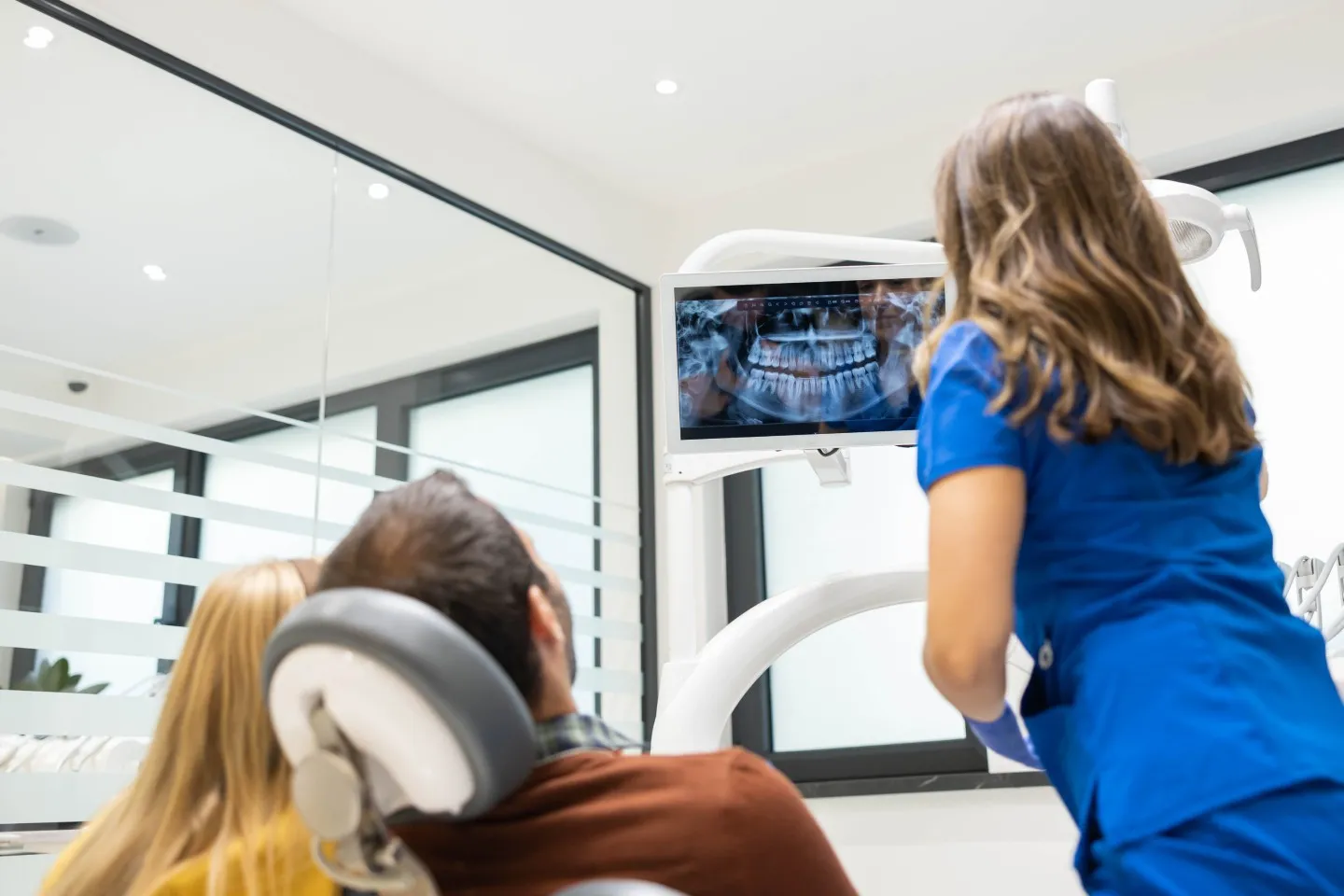
What Are Clear Aligners and Braces? Understanding Your Orthodontic Options
Clear aligners and braces are the two primary types of orthodontic treatment used to straighten teeth and correct bite problems. For families in Lynnwood, WA weighing these options, understanding the differences is the first step. Clear aligners are removable, transparent trays that shift teeth gradually, while braces use fixed brackets and wires for continuous tooth movement. Choosing between them depends on case complexity, lifestyle, and your family's smile goals.
If you're considering orthodontic treatment for yourself or your child, you'll likely come across these two main options: clear aligners and traditional braces. Both can create beautiful, healthy smiles, but they work in different ways, and knowing those differences makes the decision easier.
Clear Aligners
Clear aligners are removable, transparent trays custom-fitted to your teeth. Gentle pressure from each set of trays shifts your teeth gradually into their ideal positions. You swap out trays every one to two weeks as your smile changes, and most people won't even notice you're wearing them.
Traditional Braces
Traditional braces use a system of brackets, archwires, and elastic bands bonded directly to your teeth. The archwire connects the brackets and guides tooth movement over time, and at regular visits, Dr. Cindy Fan adjusts the wire tension to keep your smile progressing.
Modern braces come in several varieties:
- Metal braces remain the most common and effective option
- Ceramic braces use tooth-colored or clear brackets for a subtler look
- Lingual braces attach to the back of your teeth, hiding them completely from view
These treatments correct the same core issues: misalignment, crowding, spacing problems, and bite concerns like overbites, underbites, and crossbites. The right choice depends on your situation, lifestyle, and what you're hoping to achieve.
At Lynwood Orthodontics, Dr. Fan offers braces and clear aligners for kids, teens, and adults. During a consult, she'll evaluate your smile and help you understand which option fits your family best.
How Does Each Treatment Work? The Step-by-Step Process
Knowing how each treatment unfolds helps you set expectations. Both follow a clear timeline from start to finish.
What Does the Braces Process Look Like?
- Consultation and planning. Dr. Fan examines your teeth, takes digital images, and creates a treatment plan designed around your smile.
- Bonding visit. Brackets are attached to each tooth, and the archwire is threaded through.
- Regular adjustments. You'll visit the practice every 4-8 weeks for wire adjustments and progress checks.
- Removal day. Once your teeth reach their final positions, the brackets come off.
- Retention phase. You'll wear a retainer to keep your new smile in place.
What Does the Clear Aligner Process Look Like?
- Digital scan. Instead of goopy impressions, a quick 3D scan captures your teeth with precision.
- Custom tray fabrication. Your entire set of aligners is created based on your treatment plan.
- Wearing your trays. You swap to a new set every one to two weeks.
- Check-in visits. Periodic visits make sure everything is tracking correctly.
- Retention phase. A retainer maintains your results long-term.
For aligners to work well, you need to wear them 20-22 hours daily. They come out only for eating, drinking anything besides water, and brushing your teeth.
Treatment with either option typically lasts 12-24 months, though your timeline depends on how much correction is needed. Some mild cases wrap up faster. More involved corrections may take longer.
Dr. Fan uses digital imaging and 3D treatment planning to map out your smile with precision. Technology with a human touch means she can show you what your results will look like before treatment even begins.
Key Benefits of Clear Aligners and Braces for Families
Each treatment option brings distinct advantages. The best choice depends on what matters most to your family.
What Are the Benefits of Clear Aligners?
- Nearly invisible. The transparent plastic blends with your smile, so most people won't notice you're in treatment.
- You can take them out to eat, brush, and floss with no restrictions, which gives you flexibility that braces simply can't match.
- Smooth plastic means no poking wires or rough brackets, making them a comfortable option for daily wear.
- Fewer practice visits keep you away from school or work less often, which busy Lynnwood, WA families appreciate.
- Enjoy popcorn, apples, and all your favorites without worry. There are zero dietary restrictions with aligners.
Oral hygiene stays simple with aligners. You brush and floss normally since nothing is attached to your teeth. This can mean healthier gums and fewer cavities during treatment.
What Are the Benefits of Braces?
- Handles complex cases. Severe crowding, significant bite issues, and major rotations respond well to the precise control braces offer.
- Because they can't be removed, braces work around the clock with no compliance concerns. That continuous force delivery is a real advantage for difficult corrections.
- Decades of research support their effectiveness across virtually every type of orthodontic case, making results highly predictable.
- For younger patients or busy teens, there's no responsibility to remember to put anything back in. Braces just work, day and night.
Braces work continuously without relying on patient discipline. For children or teens who might forget to wear aligners consistently, this can make a real difference in treatment success.
What Options Are Available for Every Age and Stage?
Whether your child needs early orthodontic intervention or you're an adult ready to finally straighten your smile, each of these options is available. Smiles for every age & stage, Dr. Fan creates a plan built around your family, because it's never too early or too late to feel confident. Adult orthodontics has become increasingly popular, and many adults in the Lynnwood area are choosing treatment for the first time or revisiting orthodontic care they had years ago.
How Do Clear Aligners and Braces Compare? A Side-by-Side Guide for Families
Sometimes seeing everything laid out makes the decision clearer. Here's how these two treatments stack up across key factors:
| Factor | Clear Aligners | Traditional Braces |
|---|---|---|
| Appearance | Nearly invisible; most people won't notice | Visible brackets and wires (ceramic options less noticeable) |
| Comfort | Smooth plastic trays; minimal irritation | May cause initial bracket irritation; wax helps |
| Removability | Yes, for eating, brushing, special events | No, attached throughout treatment |
| Treatment Scope | Ideal for mild to moderate cases | Effective for all complexity levels, including severe |
| Daily Wear | 20-22 hours required for results | Works 24/7 automatically |
| Oral Hygiene | Easy. Remove trays to brush normally | Requires special tools and extra time |
| Dietary Restrictions | None | Avoid hard, sticky, and crunchy foods |
| Practice Visits | Typically fewer check-ins needed | Regular adjustments every 4-8 weeks |
| Lifestyle Impact | Easy to remove for sports, photos, events | Always present; mouthguards recommended for contact sports |
Which Option Fits Your Life?
If discretion matters most, aligners offer an obvious advantage. You can remove them for job interviews, weddings, or important presentations.
If you're concerned about compliance, especially for a younger teen, braces eliminate the "did you wear them?" conversation entirely. They work whether your child remembers or not.
How Does Case Complexity Factor Into the Decision?
For complex orthodontic needs, braces often provide more precise control over tooth movement. Cases involving significant bite correction, severe rotations, or large vertical discrepancies tend to respond better to the fixed mechanics that braces deliver. Dr. Fan can recommend the best approach after evaluating your case, and she'll walk you through exactly why one option may suit your teeth better than the other.
Cost Factors: What Affects the Price of Aligners and Braces?
One of the most common questions families ask is about cost. Clear aligners and braces typically fall within a similar price range. Your specific investment depends on case complexity, treatment duration, and the type of appliance used. Here's what drives the numbers.
What Influences Your Treatment Cost?
- Case complexity. More severe crowding or bite issues require longer treatment
- Treatment duration. Longer timelines mean more materials and visits
- Type of braces. Ceramic and lingual braces typically cost more than metal
- Aligner brand. Different systems have different pricing structures
- Geographic location. Costs vary by region and practice. In the Lynnwood, WA area, pricing reflects the local market while remaining competitive with neighboring communities.
How Can You Make Treatment Affordable?
Most dental insurance plans include orthodontic coverage that applies to braces and aligners alike. Your benefits may cover a portion of treatment costs.
Lynwood Orthodontics offers:
- Free consults to learn your options and get a personalized estimate
- Affordable, flexible care plans to spread payments over time
- Low monthly payment options to make treatment fit your budget
- Insurance coordination to help maximize your benefits
The only way to know your actual investment is through a treatment plan designed around your goals. During your consult, you'll receive a clear breakdown of costs with no surprises. Board-certified orthodontist Dr. Fan believes every family deserves to understand their financial options upfront, and her team will walk you through everything before treatment begins.
Who Is a Good Candidate for Clear Aligners vs. Braces?
Not every smile needs the same solution. Understanding candidacy helps set realistic expectations.
Who Is a Good Candidate for Clear Aligners?
- Mild to moderate crowding or spacing
- Minor bite adjustments
- Teens and adults who prioritize discretion
- People committed to wearing trays 20-22 hours daily
- Anyone with an active social or professional life
Who Is a Good Candidate for Braces?
- Severe malocclusion, meaning significant bite problems that need precise mechanical control
- Complex tooth rotations or large gaps requiring exact movement
- Younger children who may struggle with compliance
- Cases requiring maximum orthodontic control
- People who prefer a "set it and forget it" approach
How Do You Know Which Is Right for You?
Reading about candidacy helps, but every smile is unique. What looks like a simple case might have hidden complexity. What seems severe might respond well to aligners.
An evaluation with Dr. Fan is the only way to determine the best option for your family. She'll examine your teeth, discuss your goals, and recommend the treatment most likely to deliver the results you want. Aligners have a strong track record for suitable cases, which is why proper case selection matters so much.
Frequently Asked Questions About Clear Aligners and Braces
Can I Switch From Braces to Clear Aligners Mid-Treatment?
Yes, in some cases switching from braces to clear aligners mid-treatment is possible. If your teeth have progressed enough that aligners can finish the job, the transition may make sense. This depends on your remaining treatment needs and how your teeth have responded, and Dr. Fan can evaluate whether switching is a good fit for your situation.
How Long Does Treatment Take With Aligners vs. Braces?
Most cases take 12-24 months with either option. Simple corrections may finish faster, while complex cases take longer. Treatment duration depends more on what your teeth need than on which method you choose, and aligners aren't necessarily faster than braces despite common assumptions.
Are Clear Aligners as Effective as Braces?
For the right cases, absolutely. Clear aligners have proven highly effective for mild to moderate orthodontic issues. Clinical studies back their use for suitable cases, and the results can be just as impressive as braces when the case selection is appropriate. That's exactly why an orthodontist evaluation matters: it ensures you're matched with the right treatment from the start.
Do Clear Aligners Hurt More Than Braces?
Each treatment involves some initial discomfort as your teeth begin moving. Most people describe it as pressure rather than anything sharp. With aligners, you may feel tightness when switching to a new tray. With braces, adjustments can cause temporary soreness. Neither should be genuinely uncomfortable for long, and any discomfort typically fades within a few days.
What Age Can My Child Start Orthodontic Treatment?
The American Association of Orthodontists recommends children have their first orthodontic evaluation by age 7. This doesn't mean treatment starts that early for everyone. Early evaluation allows Dr. Fan to monitor development and intervene only if needed. Some children benefit from early treatment, while others do best waiting until more permanent teeth arrive.
Will My Teen Actually Wear Their Aligners?
This is a real concern for many parents. Some aligner systems include compliance indicators that show whether trays are being worn. Having an honest conversation about responsibility helps. If you're worried your teen won't commit to 20-22 hours daily, braces might be the more reliable choice.
Dr. Fan brings board-certified expertise and a warm, personal style to every family she works with at Lynwood Orthodontics. She'll listen to your concerns, evaluate your smile, and recommend the treatment that fits your life. An orthodontist who knows your case inside and out is the best resource for making this decision with confidence. Families across Lynnwood, WA trust her to guide them through the process, and that relationship is what makes the experience feel personal from start to finish.